



AI Industry Latest Trends (2026 Guide)
Artificial Intelligence is no longer an emerging technology and it has become a core driver of business transformation, economic growth, and innovation worldwide. In 2026, AI is rapidly evolving from experimental tools into essential infrastructure embedded in everyday workflows, products, and services.
From autonomous agents to AI-powered development, the industry is entering a new phase defined by scale, automation, and real-world impact.
This guide explores the latest AI industry trends shaping 2026 and beyond, helping businesses, entrepreneurs, and tech leaders stay ahead.
1. AI Becomes Core Business Infrastructure
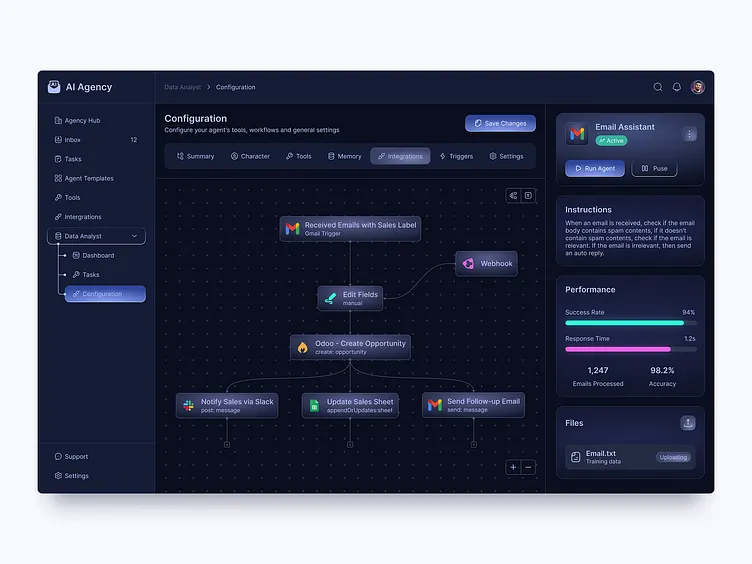
AI is no longer optional. Companies across industries are integrating AI directly into their operations and automating processes, analysing data, and improving decision-making.
- AI is now embedded in finance, healthcare, retail, education, and logistics
- Businesses are shifting from “Should we use AI?” to “How do we scale AI?”
- AI tools are improving productivity and reducing manual workloads
Key insight: AI is moving from a tool to a business necessity
2. Rise of Autonomous AI Agents (Agentic AI)
One of the biggest breakthroughs is agentic AI systems that can act independently.
These AI agents can:
- Execute multi-step tasks
- Make decisions with minimal human input
- Manage workflows end-to-end
Use cases include:
- Customer support automation
- Supply chain optimisation
- Financial decision-making systems
Agentic AI represents a shift from simple automation to true digital collaboration.
3. Generative AI Dominates Workflows
Generative AI (like ChatGPT, Midjourney, etc.) is now central to daily operations.
Businesses are using it for:
- Content creation
- Coding
- Marketing campaigns
- Data analysis
In fact, AI-generated code is becoming the default:
- Around 64% of companies already rely on AI for most of their code
- This could reach 90% within a year
This marks a major shift toward AI-assisted productivity at scale
4. Massive Investment in AI Infrastructure
AI growth is being fueled by enormous investments in infrastructure:
- Billions invested in GPUs, chips, and data centres
- Global AI infrastructure spending expected to reach trillions by 2028
- High demand for semiconductors and AI hardware
AI is now considered:
- A strategic national asset
- A key driver of economic competitiveness
5. AI Reshaping the Workforce
AI is transforming jobs at a massive scale:
- Over 45,000 tech layoffs in early 2026 linked to AI restructuring
- At the same time, AI jobs are booming:
- 92% increase in AI-related hiring
- Higher salaries for AI specialists
This creates a paradox:
- Job displacement in routine roles
- High demand for AI, data, and automation skills
The future workforce is becoming AI-augmented, not AI-replaced
6. AI Coding & Developer Productivity Explosion
AI is dramatically changing software development:
- Developers using AI tools are doubling output
- AI can now:
- Generate code
- Fix bugs
- Suggest improvements
Autonomous coding agents are even starting to:
- Submit pull requests
- Build features independently
Software development is becoming AI-first
7. Responsible AI & Regulation Growth
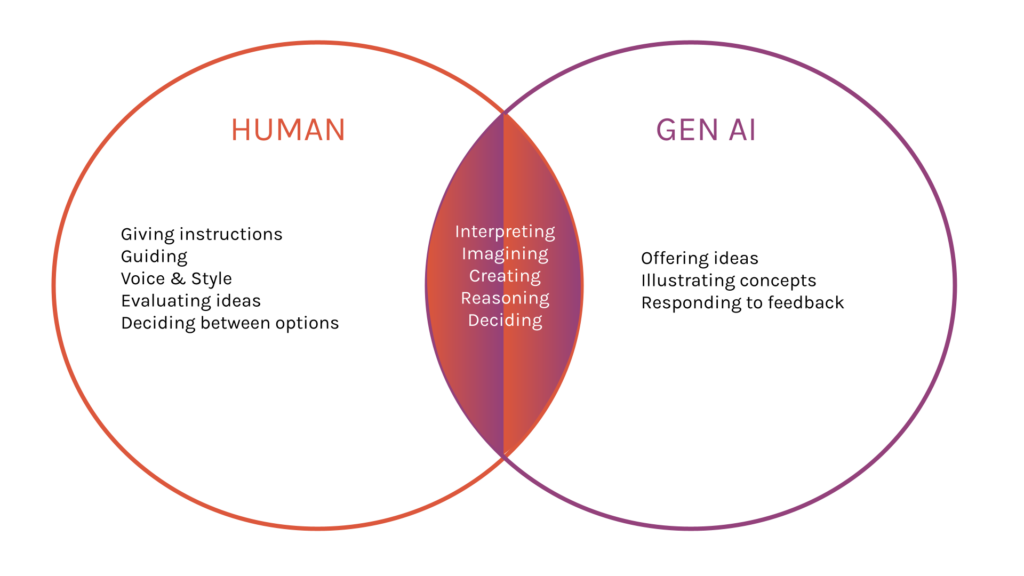
As AI becomes more powerful, regulation is increasing globally.
Key focus areas:
- Bias and fairness
- Data privacy
- AI-generated content (watermarking)
- Ethical AI usage
Governments are introducing new frameworks requiring:
- Transparency
- Safety measures
- Accountability
Example: New policies in the US require safeguards against harmful AI outputs and bias
8. AI Adoption vs Public Trust Gap
Despite rapid adoption, public trust in AI remains low.
Concerns include:
- Job loss
- Privacy risks
- Misuse of AI
However:
- Businesses continue investing heavily
- Users still adopt AI tools despite concerns
This creates a gap between AI growth and public confidence
9. AI Becomes a Competitive Advantage
AI is now a key differentiator between companies.
Organisations using AI effectively are:
- More productive
- More scalable
- More competitive
Companies that fail to adopt AI risk:
- Falling behind
- Losing market share
AI is no longer innovation but it’s survival
10. From Hype to ROI (Return on Investment)
The industry is shifting from hype to results:
- Companies are focusing on measurable outcomes
- Many AI projects still struggle to deliver ROI
- Businesses are becoming more strategic with AI investments
The focus is now on practical value, not experimentation
Conclusion
The AI industry in 2026 is defined by scale, speed, and real-world impact.
Key takeaways:
- AI is becoming core infrastructure
- Autonomous agents are the next big leap
- Generative AI is transforming productivity
- AI is reshaping jobs and industries
- Regulation and trust are becoming critical
Businesses that embrace these trends will gain a significant competitive edge, while those that delay risk falling behind in an AI-driven world.